


About 4-H
Montana 4-H is the youth development program of Montana State University Extension. It is the largest out-of-school youth development program in the state, reaching nearly 14,000 youth in all 56 counties and 7 reservations each year.
Why is 4-H important
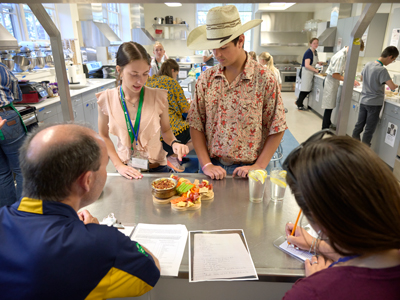
4-H supports youth development through hands-on learning while also creating meaningful opportunities for adults to mentor, volunteer, and contribute their knowledge.
- Youth gain experience in leadership, communication, and decision making
- Volunteers help create supportive learning environments
- Local programs build strong connections between families, schools, and communities
This combination of youth development and adult engagement is central to the impact of 4-H.
Hear from 4-H members

“4-H has helped me grow up and be a person who can be confident and well-spoken in a group setting. I can relate to younger 4-H members to help them grow in their projects by using the experience I have had with my own projects. [Because of 4-H] I have also had several successful job interviews.”
Hill County 4-H'er age 17

“The communication skills my children have gained in 4-H is one of the great benefits that they received from their participation. As they attend college classes, they are amazed at how easy it is for them to complete public speaking assignments and what a difficult time other students have had.”
Parent of Carbon County 4-H Alumni
How 4-H works
4-H Broken down
There are three way 4-H is broken down organizationally:
1. National: 4-H's federal leadership comes from the National Institute of Food and Agriculture (NIFA), an agency of the USDA, which sets national priorities, standards, and policies for the program.
2. State: Montana State University, Montana's landgrant university, leads 4-H through the Cooperative Extension System, developing research-backed curriculum, training staff and volunteers, and hosting statewide events and contests.
3. County and reservation: Local programs are run by county-based Extension staff. These are the agents and educators who work directly with families. This is where youth join clubs, pick projects, and show at the county fair.
Montana youths enroll in their county or reservation and then join a program or club. Depending on what they are interested in, they can pick a learn-by-doing project curriculum or design their own. Project categories include:
- Animal Science
- Engineering and Technology
- Environmental and Natural Sciences
- Family and Consumer Sciences
- Plant Sciences
- Communications and Expressive Arts
- Leadership and Personal Development
- Foods and Nutrition
Youths can also grow by participating in club meetings, community service projects, events and activities. This can be done through county, state or national opportunities.
How to get involved
Contact the 4-H Center staff
The Montana 4-H administrative team supports programs across the state. Visit the team page to find contact information, county affiliations, and details about who to reach out to for specific questions.