


NAS Newsletter Issue 2
March 2026
Video filmed by Montana PBS, directed by American Indian & Alaska Native Student Success
Bobcat Basketball Honors Missing and Murdered Indigenous People Movement
To All Our Relatives,
We remember You.
We sing for You.
We dance for You.
We honor You and Your Families still here.
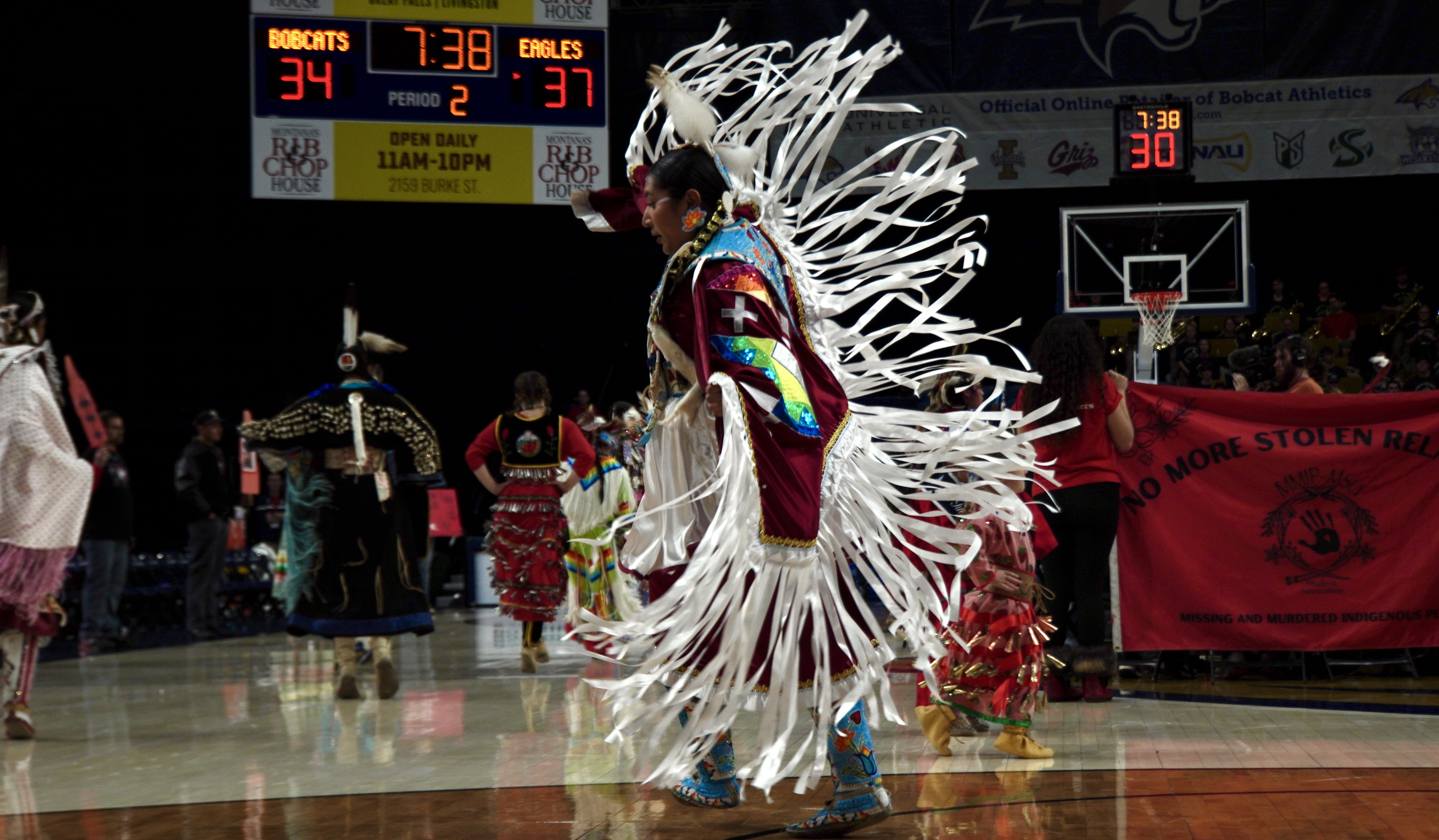
To honor the movement remembering Missing and Murdered Indigenous People, the American Indian Council (AIC) in partnership with American Indian & Alaska Native Student Success Services and the Department of Native American Studies collaborated with the Bobcat Men’s and Ladies’ Basketball teams.
According to the Urban Indian Health Institute, murder is the third leading cause of death among Native American women. Montana is in the top five states for missing and murdered indigenous women cases with Billing being the fifth top city in the United States. Natives represent 6.7% of the population in Montana yet make up 26% of the missing persons’ report.
Approximately one Native girl goes missing every eight hours.
To bring attention to MMIP, the American Indian & Alaska Native Student Success Services hosted the Men’s and Ladies’ Bobcat teams for educational sessions before their respective games. With the partnership of Montana PBS, the Good Relations Learning Community, Miss Indian MSU, Headman Cleveland Leider, Headwoman Riley Werk, and the AIC co-presidents, students and staff created a promotional video that aired during halftime at both games.
We remember the men and women that are no longer with us and honor the families affected by MMIP. Headwoman for this year’s 50th Annual Powwow Celebration, Riley Werk, began the Men’s game with the singing of the National Anthem. During halftime of the No More Stolen Relatives game on February 7th against Eastern Washington, Darrin Old Coyote gave an introduction and students from the community shared their dance with the drum of the Bobcat Singers.
Thank you to all who attended. Thank you to Bobcat Athletics, the voices who shared knowledge and sang, and the feet who danced to bring healing.


Click on an image to view as a slideshow.
Photos by Josie Kaufman.

AIANSSS Outreach and Recruitment
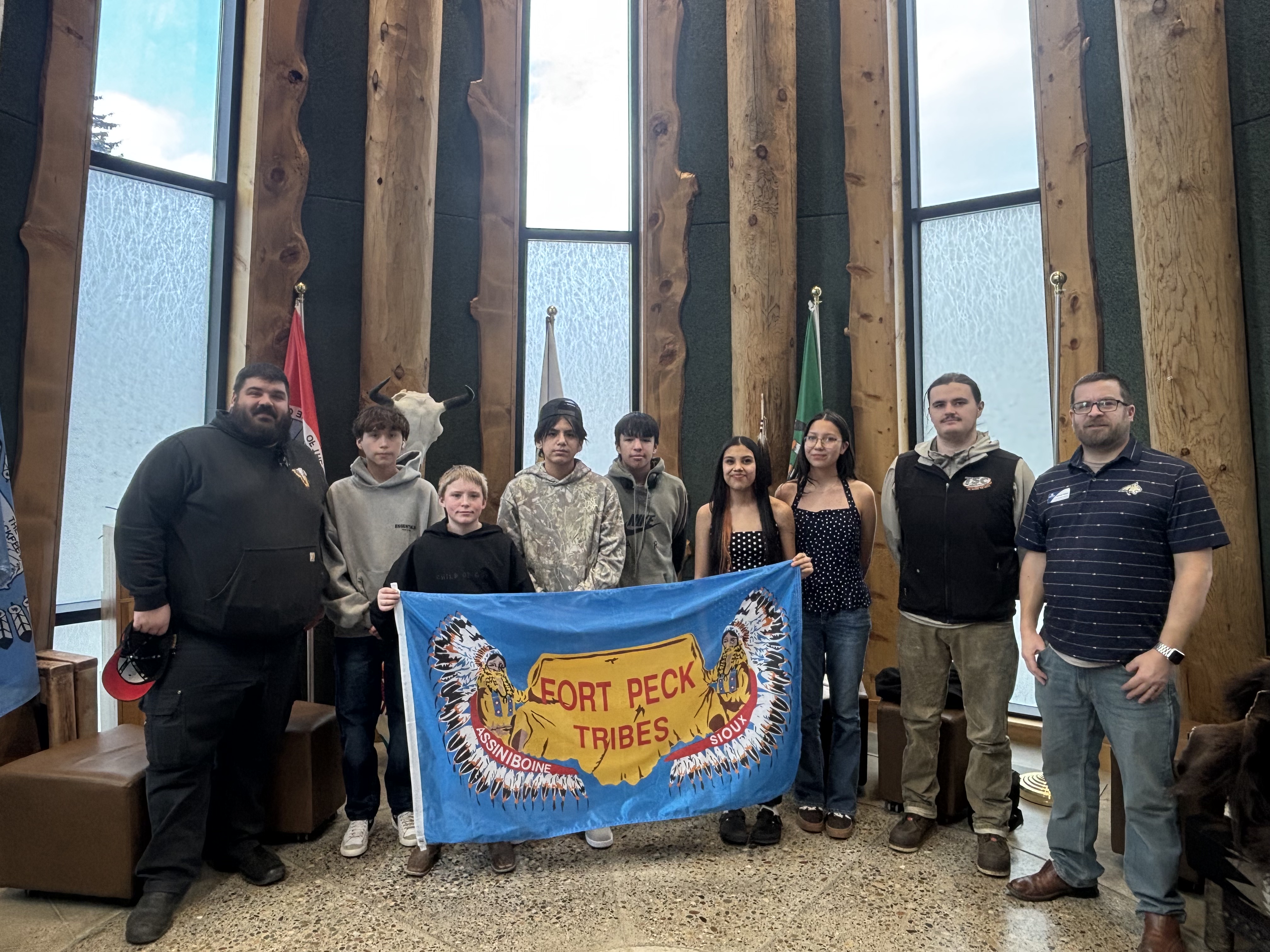
Image provided by Michael Hastert.
The Native American Studies Department Outreach and Recruitment Coordinator, Michael Hastert, has had some wonderful guests to American Indian Hall. This 2026 Spring Semester Michael had the opportunity to host the Buffalo Unity Project – a team of students from Poplar Middle School on the Fort Peck Reservation. Hastert said, “It was a good afternoon spent with the students of Fort Peck, allowing them to engage, learn, explore, and share their experiences”. To learn more about The Buffalo Unity Project they have film documentaries available on their YouTube channel.
In other exciting news, Michael hosted the top 3 placing teams in this year’s Montana Boys Class B High School State Basketball Tournament. Upon arrival to campus and prior to their first tournament games held at the Brick Breeden Fieldhouse, Michael – with the help of the American Indian Alaska Native Student Success Team – had a welcome meal prepared for Lodge Grass, Harlem, and St. Labre. “It was an outstanding day to host such great student athletes and show them that they are always welcome at Montana State University. It's one thing to say it in an email or on social media, but to act and follow through in person speaks of real community ”, said Hastert.
Michael will be on the Montana MPSEOC Tribal College Fair April 6 – 16, visiting all 7 of the Montana Tribal Colleges/Universities and meeting prospective high school students from all the surrounding communities.
Questions? Connect with Mike, email: Michael.hastert@montana.edu
Curious where your classmates are at now? Catch up with fellow graduates and expand your network on LinkedIn.

Stories from the Circle
Highlights from NAS Academics and Student Success Past Events
Learning the Real Language: MSU Student Kolton Running Crane Hosts Blackfeet Language Sessions
Written by Kolton Running Crane
Blackfeet country. Photo by Josie Kaufman.
My first exposure to the Blackfeet language was when I was three years old. I distinctly remember my aunt and grandma telling me words. They could only offer simple words; those known by every Blackfeet person. Ní’takit - Hurry up; Póóhsa’poot - Come Hither; Iiníí - Buffalo. My next experience was in school; in head-start and kindergarten we had elders come speak with us and teach us. Amongst those teachers was I’nák Aakííkoan, Betty Little Plume; with whom I ended up being good friends as I got to college and could hold a conversation in our language. When I moved to Las Vegas at the age of six I greeted everyone with Okii; until I realized the hard way that we were Native Americans, specifically Blackfeet, and the words I was taught held significance solely back home.
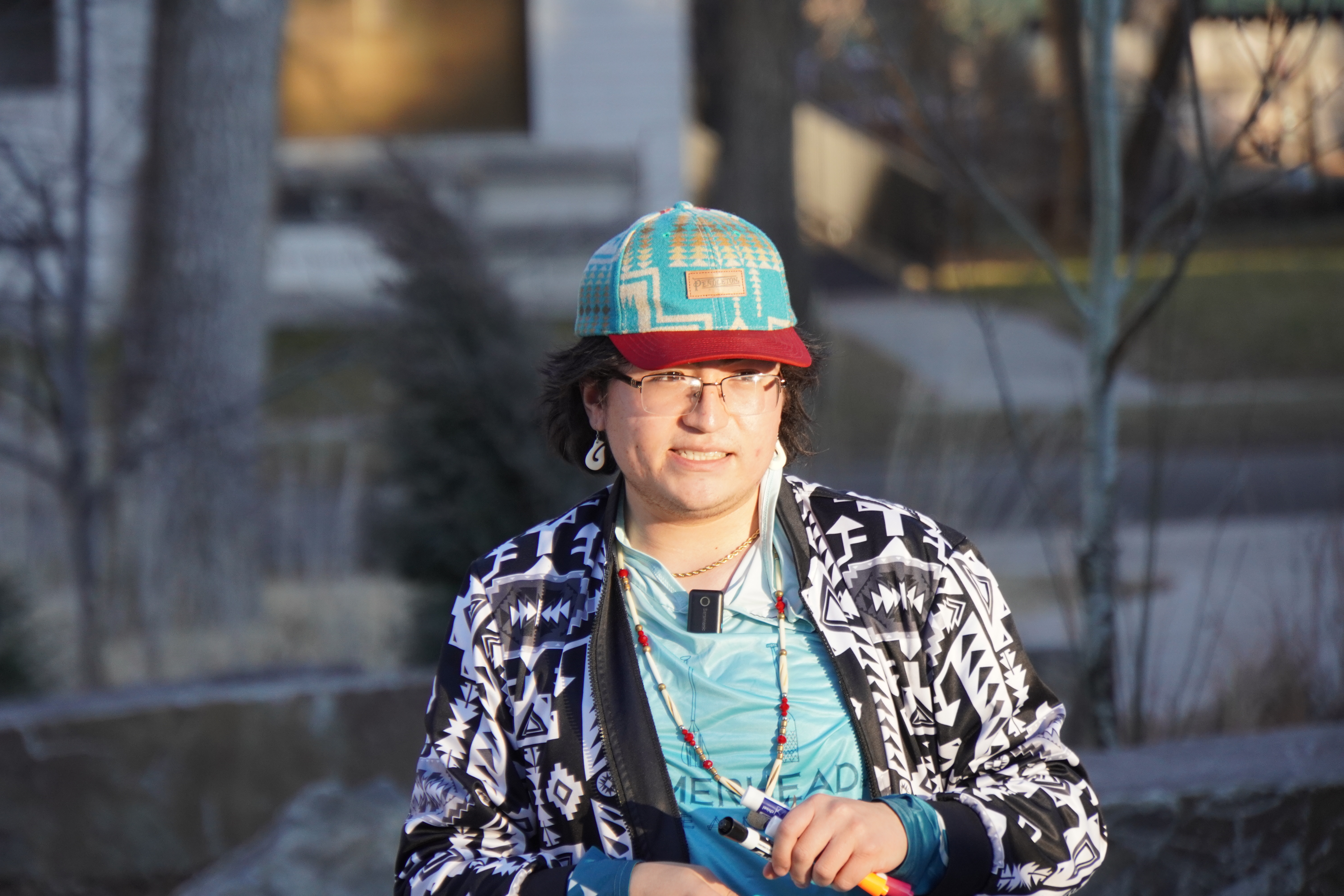
Photo by Maleeya Knows His Gun.
It wasn’t until we moved back to Browning from Billings my sixth-grade year that I decided upon a serious commitment towards the language. I had lived years in the white world by that point, and my heart yearned for the connection to my heritage I felt as a young child. Patrick Armstrong, the Native Studies teacher of Napi Elementary, got me started. But his Native Studies class was only taught every six school days. The words were stagnant; I was thirsty after learning them all and wanted more.
The spring of that year I joined a Native Science after school program. The first half hour we would sit with Soksistsik Aakíí, Leora Arrow Top Knot. I was the only student from Napi, all the others were younger than me and went to Cuts Wood immersion school. They would run circles around me in the language. She taught us with questions as she pointed to various objects. “Tsaanistapi annii - what is that?”, “sóópa’tsis - A chair!” “Tsaanistsiinátsii - what color is it?”, “Sáíssksimokoinátsii - the color of the growing plants (green)!”
I couldn’t keep up with how fluent her questions were nor how fast they would answer. The competitive Running Crane I am, I could not stand to be beaten; certainly not when I was the eldest student. Soksistsik Aakíí saw that I was struggling to keep up having not been in Cuts Wood. She would sit by me on the bus during field trips and translate whatever we saw. Soksistsikó - that’s a cloud. Áísstoyi - ice cream. Iináapínowaan - long sugar, taffy. Despite this, the Cuts Wood kids would still run circles around me linguistically. So I made a promise that I would some day beat those little boys. And I did just that.
I became ravenous for knowledge. I got my mitts on anything I could. Apps, DVDs, dictionaries, elders, historical texts, and various educational materials. I have been insatiable since. Even to this day I am still learning and working towards total fluency, deciphering philosophy and complex grammar from historical documentation and the speeches of my elders.
With each passing year I learned more and more. With that my eyes opened wider, my heart grew more open, and my wounds sealed themselves shut. I ceased viewing the Earth and her children as resources but rather as relatives in need of reciprocity. I stopped viewing my struggling relatives as bad people but rather as the survivors of a system meant to wipe us from the web of life. I stopped viewing myself as broken and imperfect but rather as whole and self-actualized.
Somewhere between then and now I lost my adolescent eyes and my mindset shared with the Naapikoan. Somewhere between 11 and 21, I formed my own paradigm and aligned my perception with that of my ancestors. Somewhere between then and now, I healed the gashes of inter-generational trauma. Somehow, I became the first of my family in four generations to return to the culture my ancestors have maintained for the entire 20,000 years of our Blackfoot existence. All thanks to my journey of relearning the language of my spirit.
Thanks to my decision to enter a one-sided competition with a bunch of kids I have returned to the original condition meant to be experienced by humanity.
And that is the experience of returning that I wish to guide my fellow human toward. That is why I’ve made the decision to switch my method of teaching from an academic foundation of grammar to a basis of culture and philosophy. A wise man once said our entire culture can be found outside. The key to the Niitsítapi spirit is found in the mountains, the plains, the springs, and the circle of life. A wiser man also once said the heart of our morality is sewn into our stories, songs, and ceremonies. For this reason I’ve made the choice to teach in a semi- unconventional way; I am teaching my language and Plains Sign language outside with the trees, birds, knolls, and waters one week. The next; through story, community, and reflection. It is adventure and story that forged our spirit, it shall be adventure and story that will mend our soul.


Click on an image to view as a slideshow.
Photos by Maleeya Knows His Gun.
First Year Cohort goes to Laser Tag for Overnight Retreat
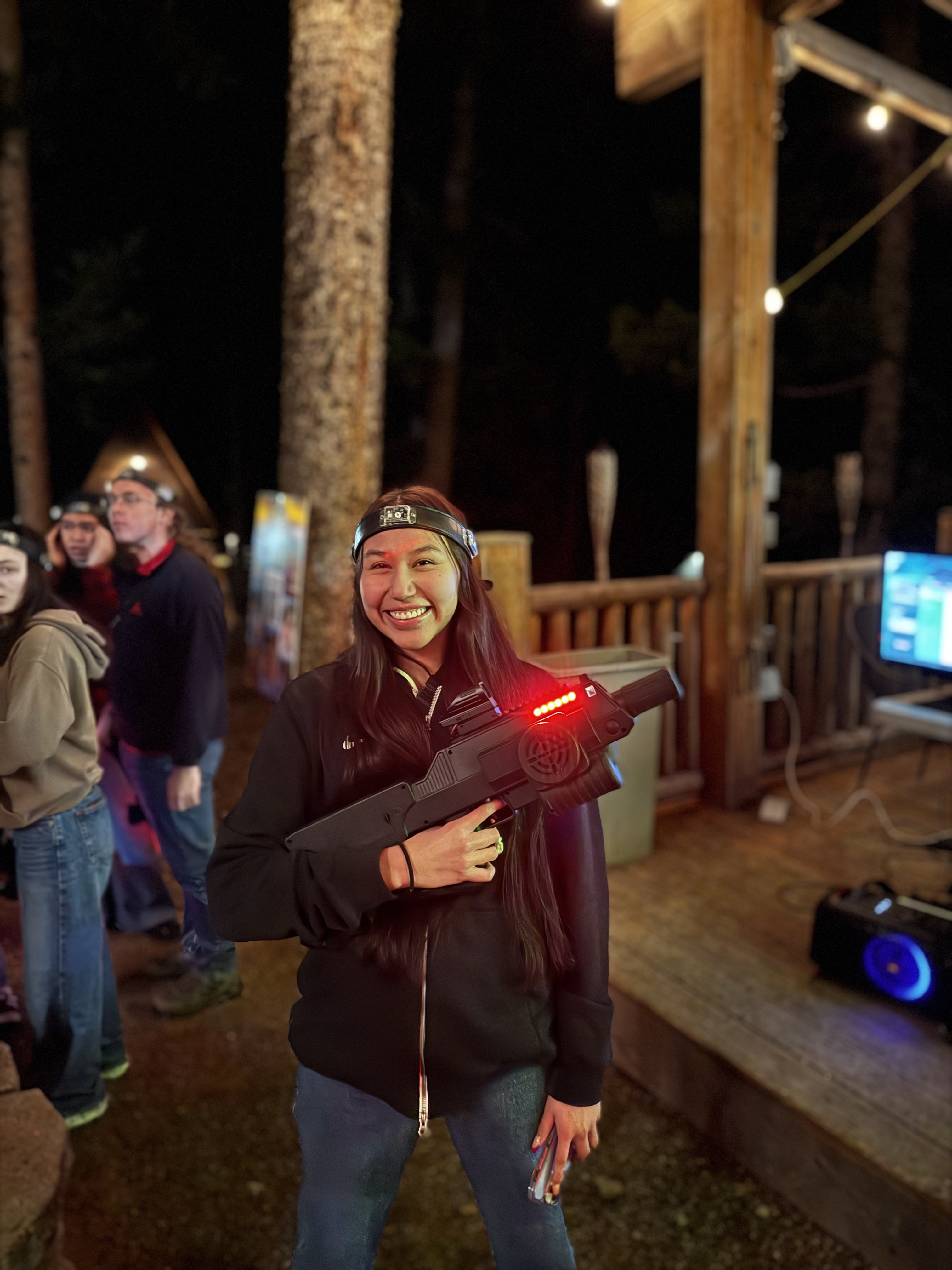
The Good Relations Learning Community (GRLC) is a cohort of first year and transfer indigenous students at Montana State University. There are four peer mentors for the Good Relations Learning Community: seniors Riley Werk and Damaris Addy along with juniors Dylan Wetsit and Alma Montoya.
With the help of the mentors, Good Relations was able to take a weekend getaway to Yellowstone Alliance Adventures south of Bozeman up Cottonwood Canyon. GRLC stayed overnight in the big cabin. On the night of February 6th, the cohort left American Indian Hall on campus for Yellowstone Alliance. They arrived and played laser tag for three hours, played games in the lodge, and enjoyed a meal together. They returned to Bozeman with laughter and laser tag stories on February 7th to attend the Bobcat Men’s Basketball game honoring Missing and Murdered Indigenous People.
Good Relations is built upon the one-on-one relationships formed between each other and the mentors. Werk, Addy, Wetsit, and Montoya take time to meet with first year and transfer students individually as a part of the transition into college life at Montana State in Bozeman. Among weekend retreats once a semester, Good Relations has regular programming throughout the week such as study nights with meals, professional development workshops, mental wellbeing at the Bozeman Hot Springs, and ribbon skirt making nights. This academic year marks the third cohort of Good Relations Students. GRLC events are open to any and all indigenous first year and transfer students at Montana State.
Schedule a check in with a Good Relations mentor here.
Want to learn more? Connect with Josie Kaufman, the GRLC Coordinator, email: josie.kaufman@montana.edu.
niimíipuu Storytelling Traditions Shared at Museum of the Rockies
On Friday, January 23, the Museum of the Rockies hosted a memorable community event featuring Kellen Trenal, a celebrated niimíipuu (Nez Perce) storyteller, performer, visual artist, and creator behind Trenal Original. Drawing on his Indigenous and Black American heritage, Trenal’s work spans traditional arts, performance, and cultural expression, embracing both ancestral knowledge and contemporary innovation in his storytelling and artwork.
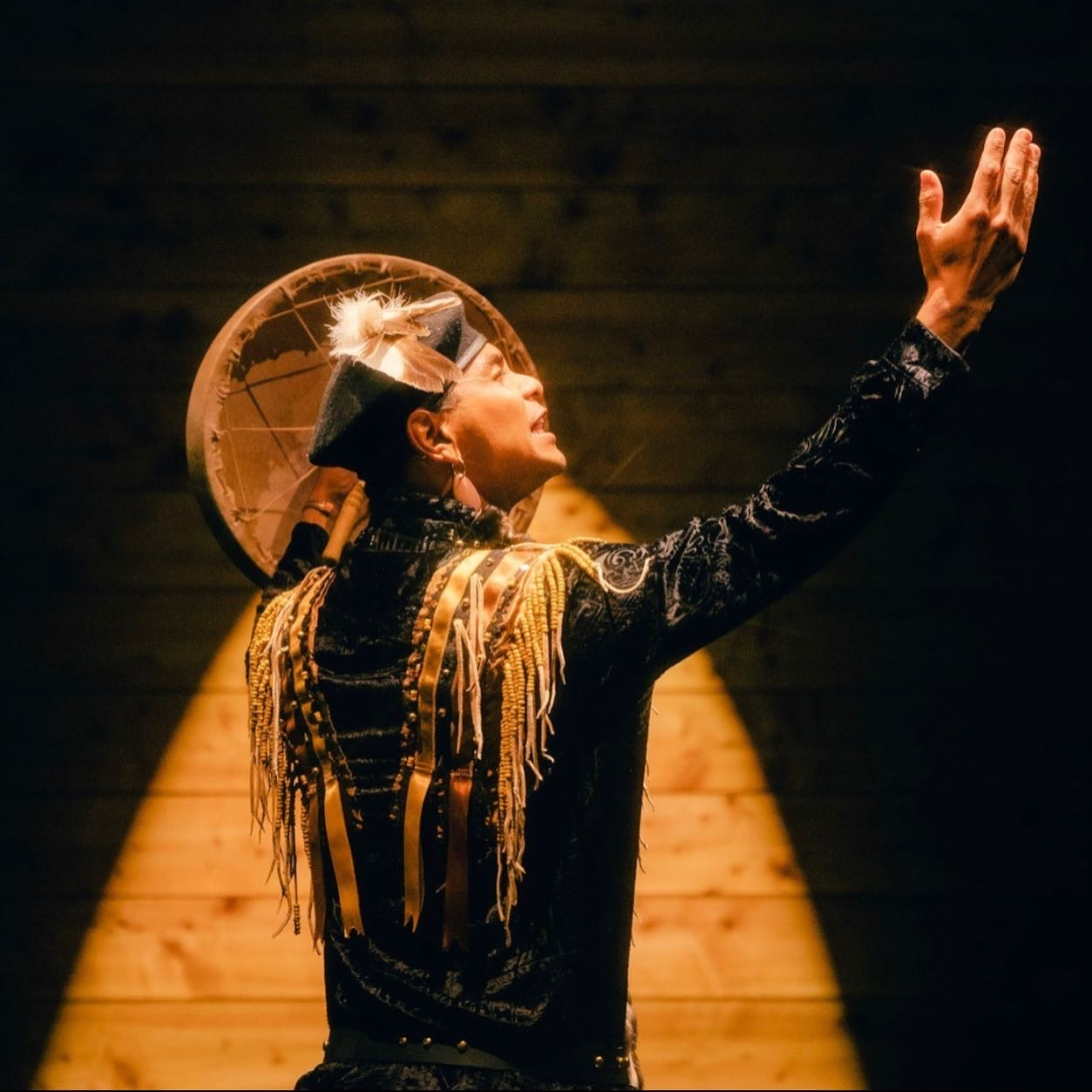
Image provided by Kellen Trenal.
The free, public event invited attendees to experience the magic of Coyote, the Trickster. Trenal's performance blended humor, history, cultural wisdom, and lessons carried through generations.
We extend our appreciation to the Museum of the Rockies for bringing this rich cultural experience to Bozeman and creating a welcoming space for connection, learning, and cultural celebration.
Learn more about upcoming events at Museum of the Rockies.
On the Horizon
Mark Your Calendars! Upcoming NAS Academics and Student Success Events
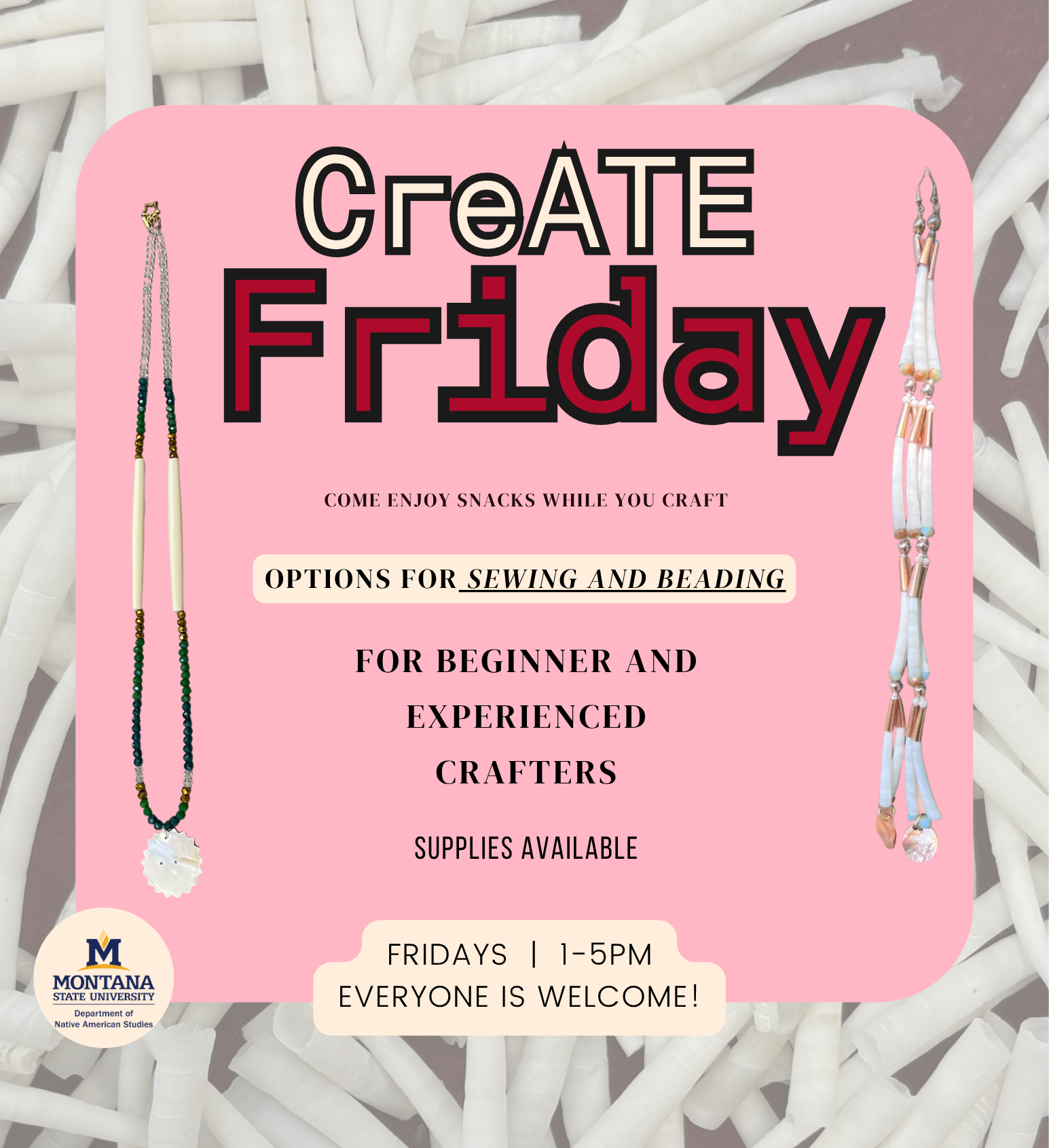
Smiles Across Montana Mobile Dental Clinic During Powwow
Smiles Across Montana Mission Clinic
March 27-28th, 2026
8a-5p
MSU Student Wellness Center
No appointments: First Come First Served
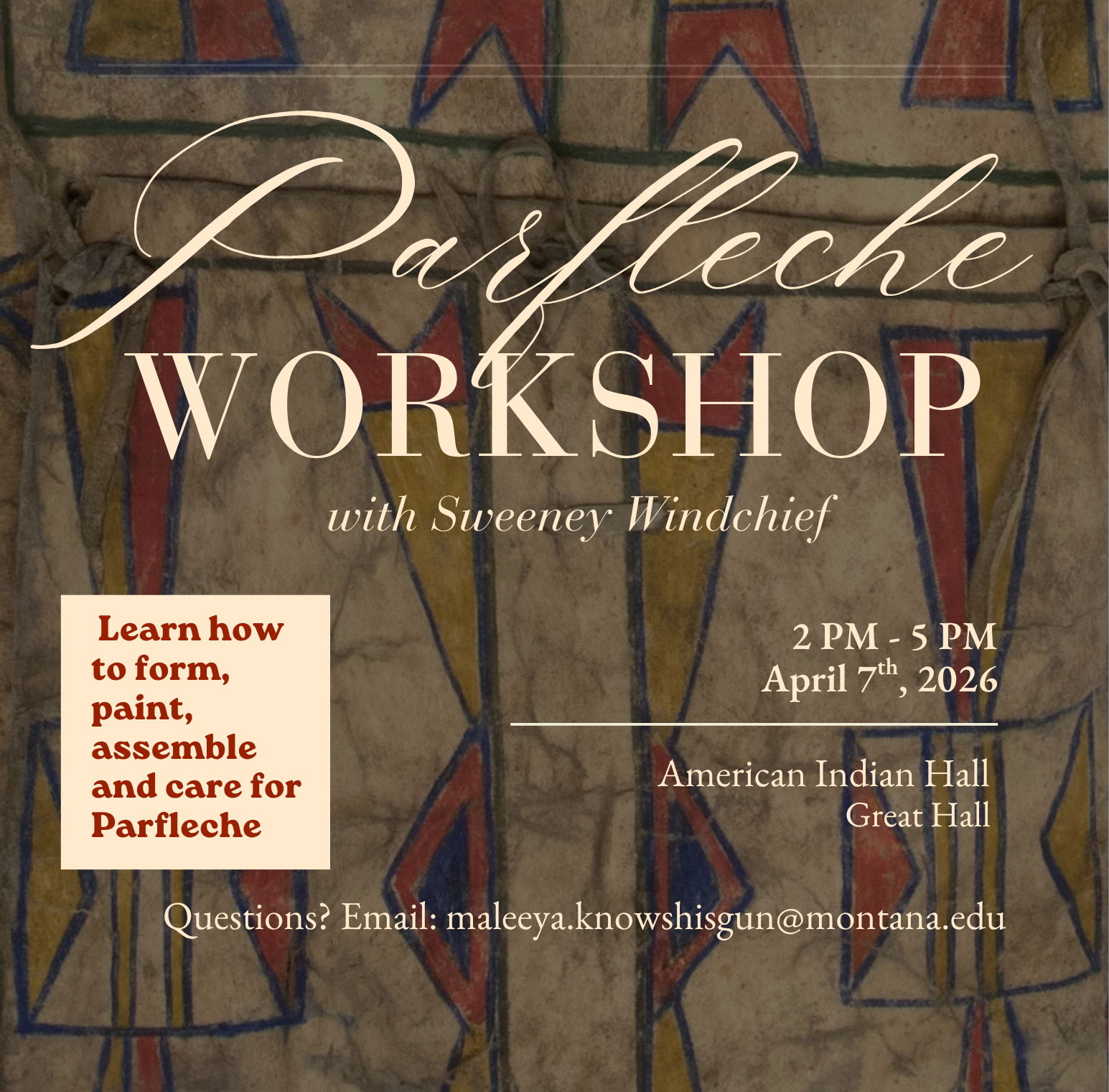
Parfleche Workshop with Dr. Sweeney Windchief
Join Cultural Programming for a Parfleche worskhop with Dr. Sweeny Windchief
April 7th
2p-5p
Great Hall
American Indian Hall
Connect with Maleeya Knows His Gun, email: maleeya.knowshisgun@montana.edu
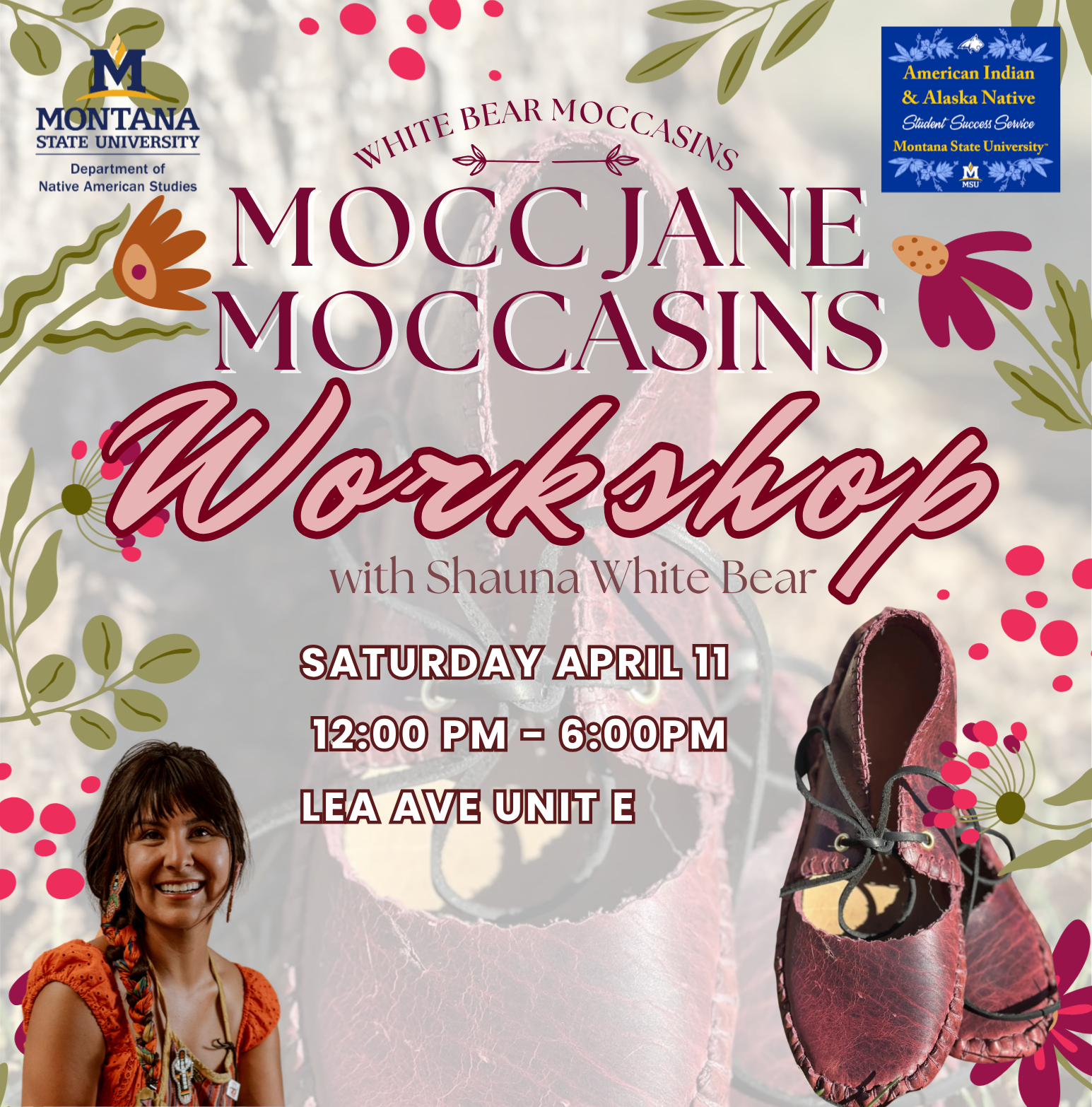
Moccasin Making Workshop
Cultural Programming with community member and business owner Shauna White Bear
April 11th
12p-6p
Must RSVP!
Connect with Maleeya Knows His Gun, email: maleeya.knowshisgun@montana.edu
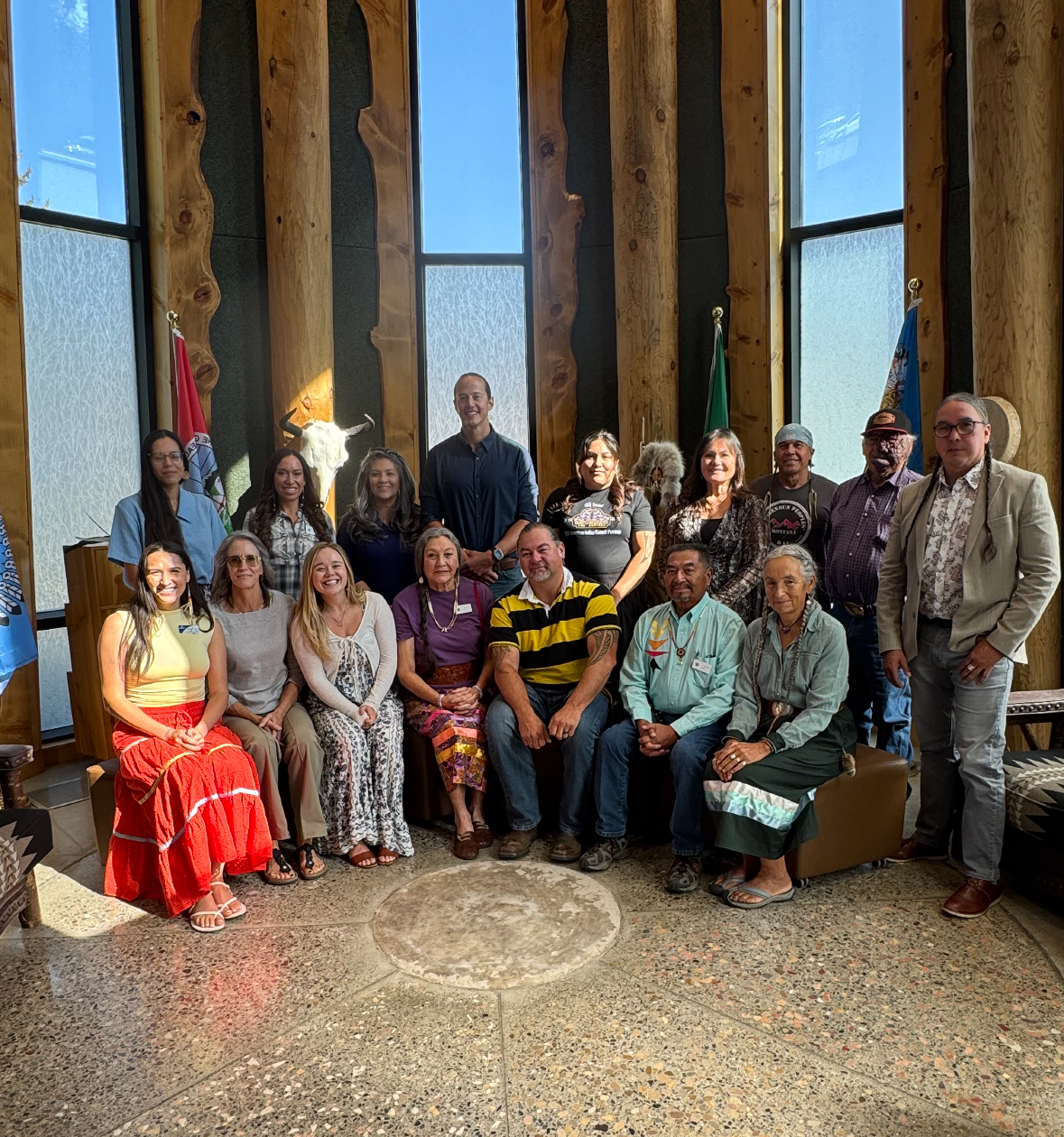
NAS's Cultural Oversight Board Returns this April
We are pleased to welcome the Cultural Oversight Board (COB) back to campus for its upcoming meeting on April 10. In accordance with the World Indigenous Nations Higher Education Consortium (WINHEC) accreditation guidelines, the Native American Studies Department maintains the COB as an external body that ensures the Department achieves the goals of its Student Well-Being Model by weaving its Cultural Standards—Knowledge, Relationship, Land, and Sovereignty—throughout its structure, policies, and programming. The Board includes representation from every Tribal Nation in Montana. We look forward to this important opportunity for reflection, accountability, and continued growth. Learn more about the WINHEC accreditation and the Cultural Oversight Board here.
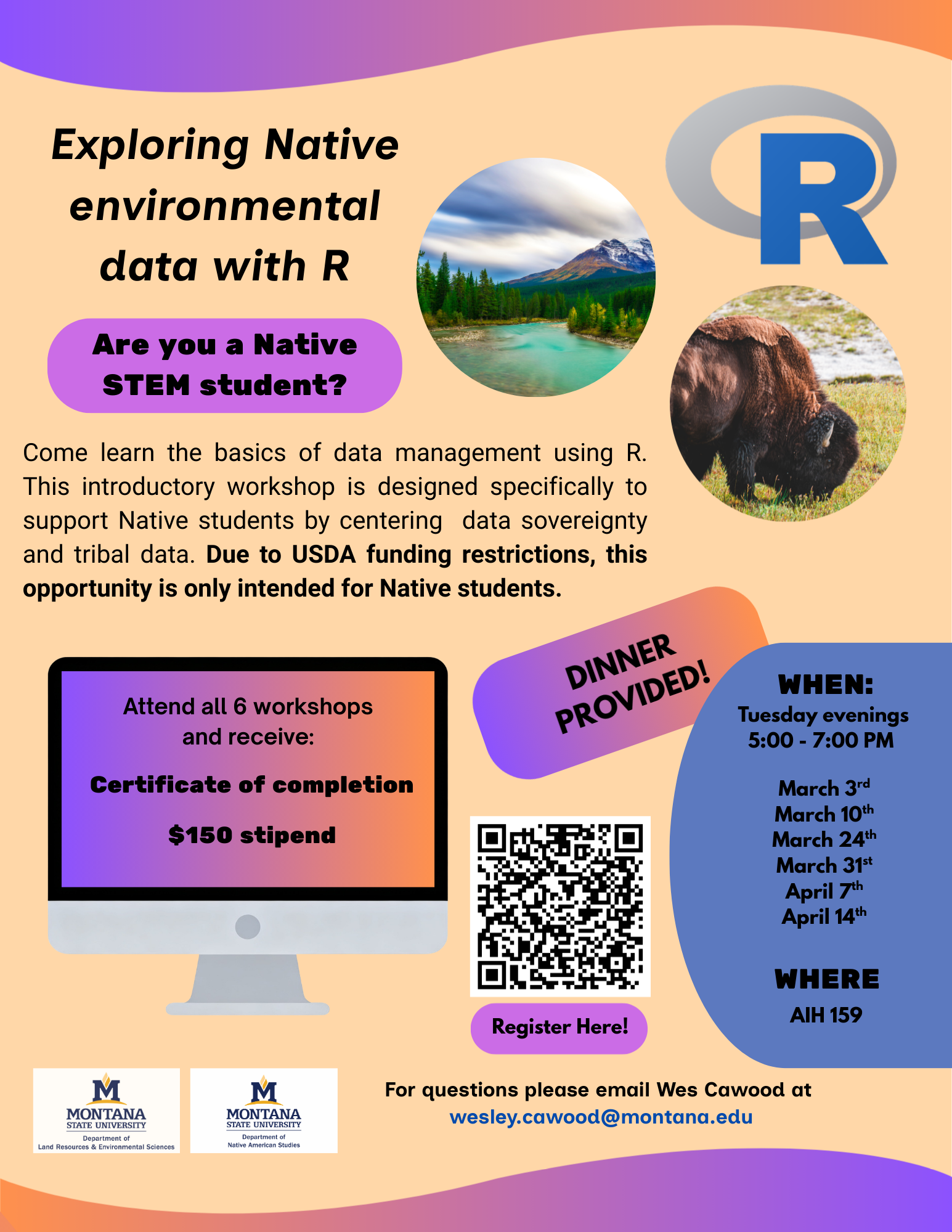
Introductory R Workshop March 3 - April 14
Interested in Native American Studies?
Thinking about returning to school or pursuing a certificate that complements the work you are already doing for Native communities? Explore our academic offerings and consider enrolling in one of these Summer semester course offerings:
NASX 105 – Introduction to Native American Studies
Summer Semester | Virtual| 3 Undergraduate Credits
Instructor: Dr. Tonya Robinson & Dr. Matt Herman
Introduction to Native American Studies presents a survey of traditional and contemporary American Indian cultures, the historical development of the unique relationship between the federal government and Indian nations, and current issues among Indian peoples.
NASX 552 – Indigenous Nations of Montana

Summer Semester | Virtual | 3 Graduate Credits
Instructor: Dr. Matthew Herman
A graduate level introduction to Montana's contemporary Indigenous Nations, with a summary overview of Montana's PaleoIndian prehistory and post-contact history. Students explore the traditional culture and history of each Montana tribe, and focus on the contemporary life and issues pertinent to each tribe.
Summer Semester | Virtual | 3 Graduate Credits
Instructor: Dr. Laurie Walker
Indian Education for All (IEFA) is a Constitutional mandate in Montana public schools. We utilize this program as an example of assessing and improving content to create Indigenous representation, cultural safety, as well as student and family engagement. Course concepts are applicable to many professional settings. The IEFA course is also an excellent course for educators in Montana who will engage with IEFA in Kindergarten through 12th grade and higher education settings who want to enhance their knowledge and skills. Undergrads preparing for teaching or leadership roles are encouraged to inquire.
Summer Semester | Virtual | 3 Graduate Credits
Instructor: Dr. Laurie Walker
Contemporary Issues in American Indian Studies centers Indigenous voices who describe the roots of contemporary issues and pathways toward healing. The course includes four units: Identity; Health, Mental Health, Wellness, Health Disparities, and Health Equity; Traditional Rites of Birthing and Healing; and Reimaging Relationships with Water, Buffalo Restoration, and Language Revitalization as catalysts for Cultural Resurgence capable of birthing a new world.
Wisdom in Action
Celebrating Student, Faculty, and Alumni Scholarship
From Rocky Boy to Canada to Washington,DC:MSUStudentWatsonWhitford Returns Home for Internship
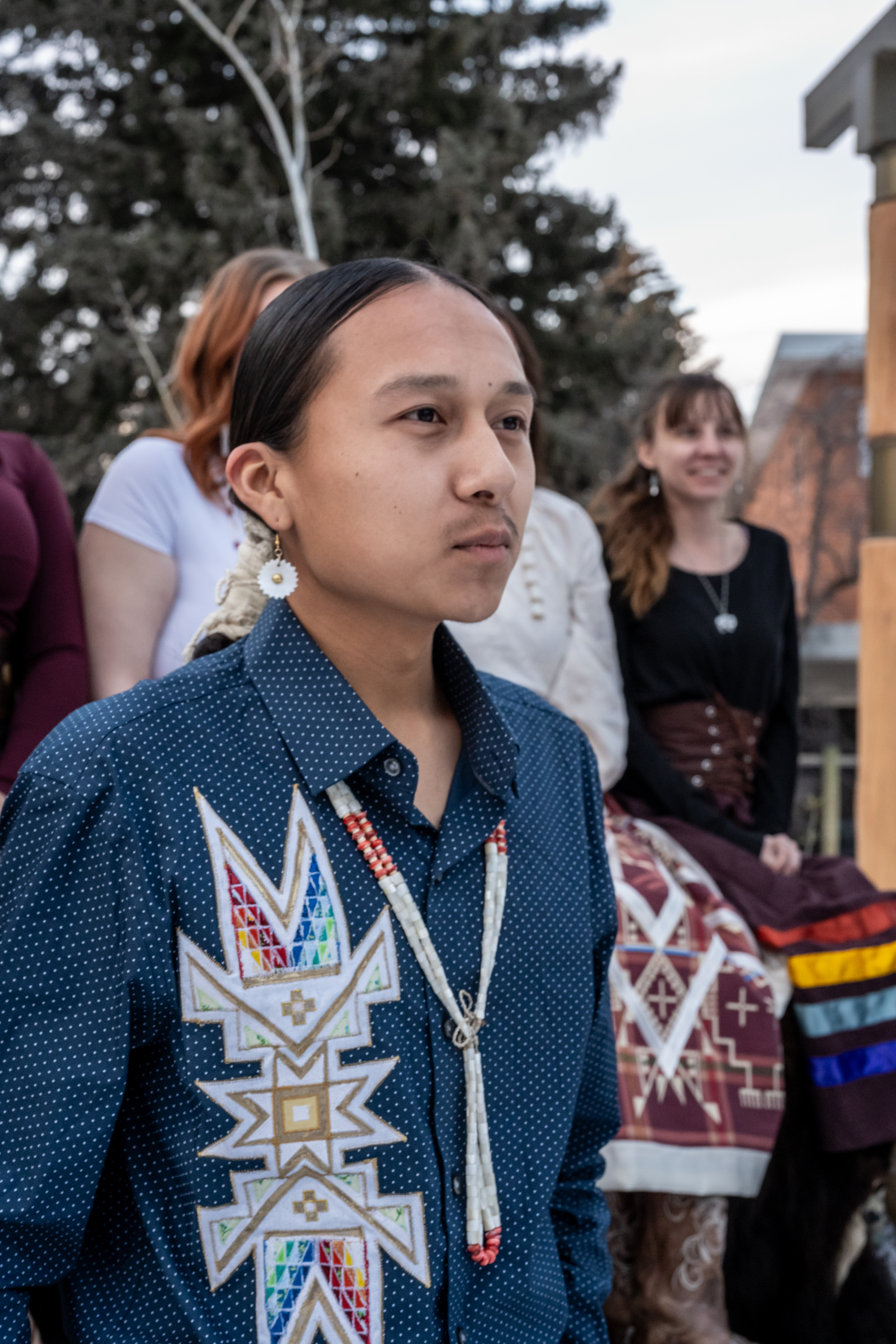
Watson Whitford, Chippewa Cree and Diné, is a bachelor’s student at MSU’s College of Agriculture studying Environmental Horticulture. Whitford recently spent a semester on his homelands of the Rocky Boy Reservation to learn from his elders in the traditional ways of life and language to reground himself before continuing his regular coursework at Montana State.
When asked about the inspiration behind his research, Whitford said, “I’m not sure if it was inspiration as it was more of an urgency. In Rocky Boy we have about 60-80 fluent Cree speakers left and one Ojibwe speaker.” The importance of language revitalization is becoming a present reality for many young indigenous people. This is not only a matter on Rocky Boy. Community members on the Fort Belknap Reservation in the north central part of the state face a similar reality with the Aaniiih language, with few fluent speakers remaining. Language is a vital piece of identity, serving as a direct connection to the land, ceremonies, and songs for Whitford.
“I wish more people would go and visit our elders. They have everything we need to continue our traditional ways of life. Our elders enjoy the company,” said Whitford. His research at home opened doors to learn about language and traditional food systems. Whitford is updating a traditional plant book for his home community with hopes it will encourage engagement in relationships with plants and elders among his community members.
Whitford urges to “listen, listen to your elders, listen to the plants, the animals, the land. They will be able to guide you in this work.” He hopes to finish the book project by the time he graduates.
Whitford’s semester was made possible with the help of his Academic Advisor on campus and his work with Buffalo Nations, a collaborative project between the Department of Native American Studies and the College of Education, Health, and Human Development.
Learn more about Buffalo Nations on the MSU webpage. Buffalo Nations is hiring fellows for the 2026 Summer – all degree programs and majors, both graduate and undergraduate student are welcome to apply. Applications close on March 30, 2026, consider applying today to learn about indigenous ways of knowing regarding foraging, gardening, and cooking. Send questions to buffalonations@montana.edu and see a complete job description for the Fellow position.
IEFA in Action: Practical Curriculum for Montana Classrooms
Written by Kim Konen
I graduated with my Master’s degree in Family and Consumer Sciences (FCS) from Montana State University in May of 2025 and will soon complete my graduate certificate in Native American Studies in Spring of 2026. I have been teaching in public education in Montana for 19 years and currently teach Family and Consumer Sciences, Western History, and Native American Studies at Beaverhead County High School. I also serve as an adviser for Family, Career, and Community Leaders of America (FCCLA), which allows me to connect my academic work directly to student leadership, classroom instruction, and community engagement.
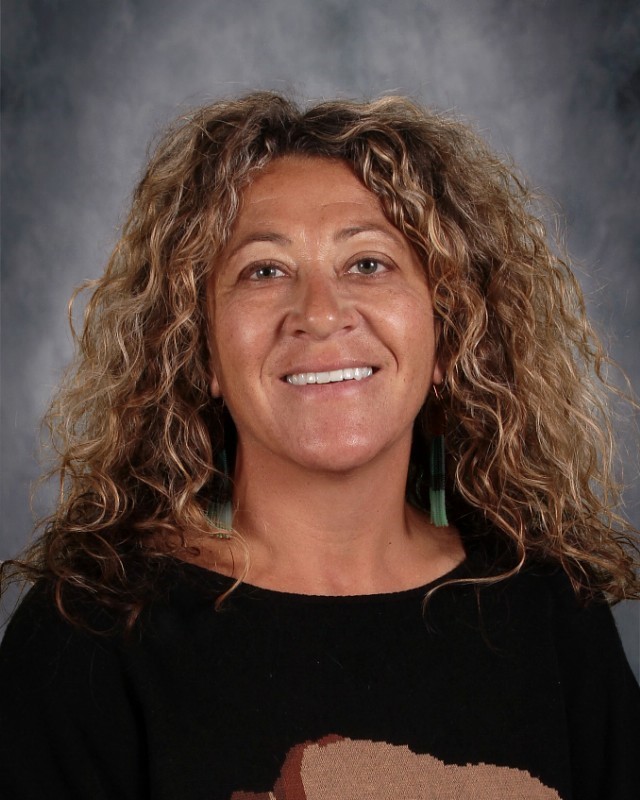
My research focuses on the lack of Indian Education for All (IEFA) lessons that connect to Family and Consumer Sciences content areas. While IEFA is required in all Montana classrooms, most materials are geared toward social studies, science or history, leaving FCS teachers with few resources for meaningful integration.
Using data collected from my master’s work, I am collaborating with the Human Development and Family Studies (HDFS) department to develop practical, standards-based lessons on food systems, financial literacy, housing, family systems, and consumer decision-making. I plan to work with the Office of Public Instruction (OPI) and other FCS educators to make these lessons accessible statewide, ensuring Indigenous histories and perspectives are authentically included rather than added as an afterthought.
This work connects directly to Indigenous communities by addressing issues like food access, land use, and economic opportunity, while helping students see the real-world impact of policy decisions. Some of the most meaningful moments have been witnessing students recognize these connections and understand how history, policy, and family systems intersect with daily life skills.
This project has strengthened my commitment to curriculum development and interdisciplinary collaboration. Moving forward, I aim to expand IEFA integration in FCS classrooms across Montana, while continuing to support student leadership through FCCLA.
My advice to other students pursuing research or interdisciplinary work is to pay attention to gaps in resources or knowledge, follow questions that matter to you, and seek collaborations that can make your work impactful.
Roots of Our Community
Honoring the Legacies of the People and Values that Shape this Work
Celebrating the Service of Founding Cultural Oversight Board Member
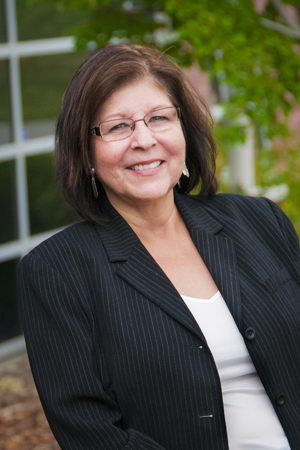
Florence Garcia (Dakota-Nakoda) has served in multiple leadership roles at Montana State University institutions and at a tribal college. Garcia is the associate dean of City College of MSU-Billings where she is responsible for all academic programs. At MSU-Bozeman, Garcia served as TRIO director, a Council of Elders member, adjunct faculty in several departments and an alumni board member. Garcia has held multiple administrative and academic positions, culminating in her becoming the first woman president at Fort Peck Community College. Subsequently, she attended the 2012 HERS Summit for Women Presidents and Chancellors and was then instrumental in forming the Montana Tribal College Presidents Association. Garcia is an advocate for inclusivity at all institutions; she nominates and encourages underrepresented students to apply for awards, scholarships, internships, honors and employment. She works to increase student retention and graduation through cultivating a sense of belonging. Garcia fosters cross-cultural understanding by taking non-Native faculty to tribal colleges to deepen their knowledge of Native culture and education, then teaches them how to integrate this knowledge into courses. Garcia gave the keynote address at the 2018 MSU Native alumni breakfast and inspired a broad audience to continue to grow in understanding.
Reflections from Colleagues
"Florence Garcia is one of the most important and knowledgeable experts available anywhere on Indian education. Over a long and distinguished career, Florence has taught courses and held high-level administrative positions in both tribal colleges and whitestream universities. Florence has also always been a good friend to NAS at MSU. Florence’s commitment has always been unconditional. She has always come to the aid of the department whenever it was needed. She has provided invaluable, elite expertise with job searches, review committees, and accreditation matters. Florence was a member of the department’s inaugural Cultural Oversight Board and helped in many other ways as the department sought—and received—accreditation through the World Indigenous Nations Higher Education Consortium."
-Matt Herman, Professor of Native American Studies
"Dr. Garcia is a founding member of the Department's Cultural Oversight Board. Her service to the board and to the department was exemplary. She never failed to lend a listening ear or give candid feedback on questions large and small, whether in meetings or in between. She was only a phone call away. We benefited profoundly from her many years of service as an Indigenous higher education professional. She brought humor and humility as well as a sense of purpose, insight, and clarity to the work. She will be missed!"
-Kristin Ruppel, Associate Professor of Native American Studies
"Dr Florence Garcia’s service to the board and the department was genuine and heartfelt. When I was first teaching my Montana Tribal Cultures, Histories, and Current Issues class Dr. Garcia was a guest speaker for my class. She did some great activities including having the class construct some simple baby moccasins. She also shared some stories, humor, and her knowledge. We will miss her."
-Anita Moore-Nall, Assistant Professor of Native American Studies
Message from Meredith
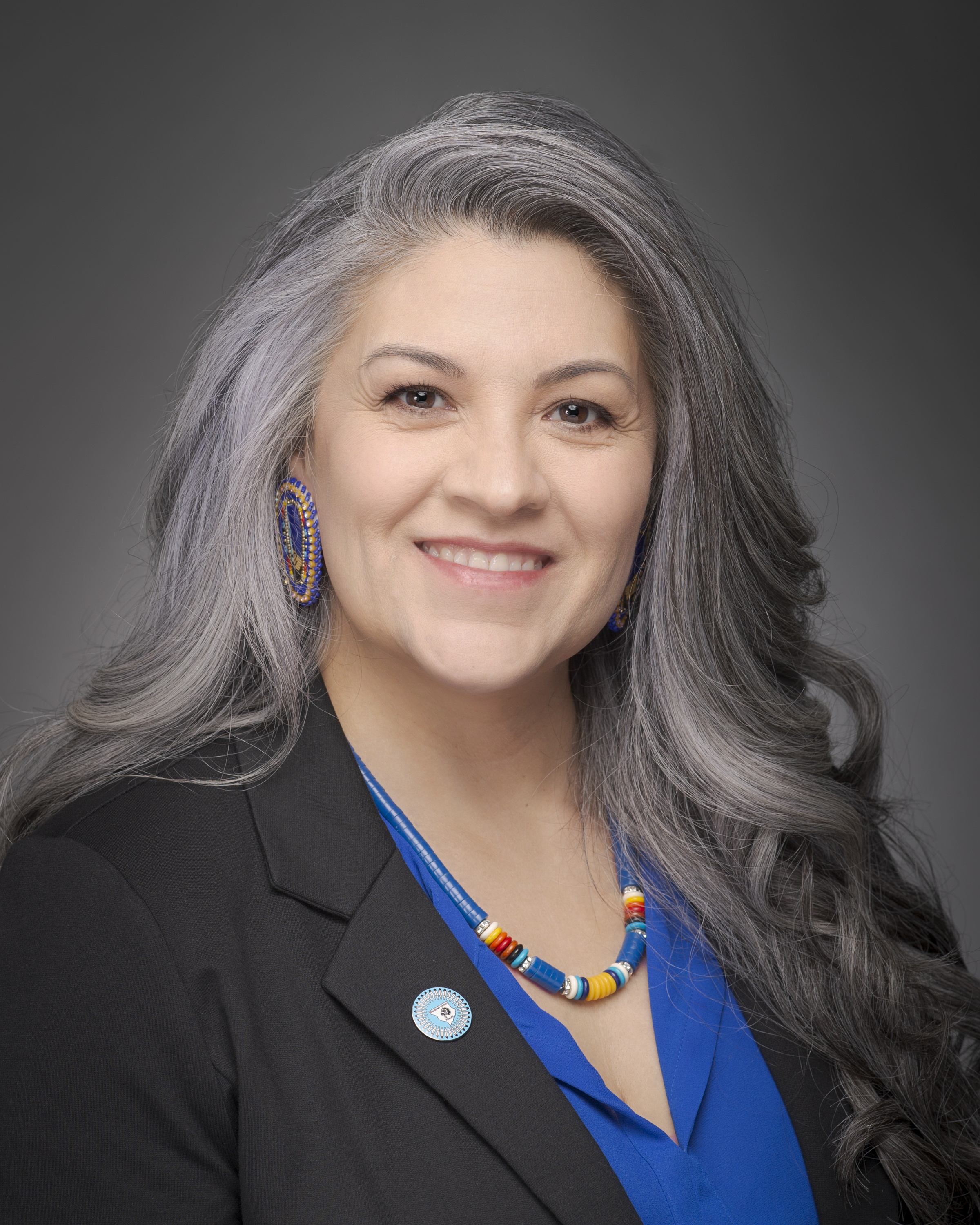
Dear Friends and Family of Native American Studies,
As we welcome a new season on campus, I want to extend my heartfelt gratitude to our readers, parents, alumni, faculty, staff, and community partners. Thank you for entrusting Native American Studies to be a part of students' journey here at Montana State University.
This spring we are honored to celebrate the 50th Annual American Indian Council Powwow on March 27th and 28th. This milestone reflects the strength and continuity of our community here at MSU. In addition to recognizing five decades of song, dance, culture, and collective memory, NAS is partnering with Smiles Across Montana (SAM). SAM is a free dental clinic held at the new Wellness Center coinciding with the powwow for anyone interesting in making a difference in their health. We hope you will join us for this historic gathering.
To our donors: your generosity remains a vital force behind our growth. Thanks to your support, programs such as the Indigenous Food Systems Graduate Certificate continue to flourish, giving students the opportunity to study Indigenous agriculture, sovereignty, and community-based food knowledge in meaningful and applied ways. Your contributions also make it possible for us to expand interdisciplinary opportunities across MSU, where Indigenous ideals and philosophies increasingly inform sustainability initiatives, curriculum development, community outreach, and cross-college collaboration.
We move forward in gratitude, thank you for being a part of this circle and for helping us build a future that reflects both tradition and innovation.
Meredith Hecker, PhD
Natoo Soksitsiko Aaki
Blackfeet
Department Head & Associate Professor
Native American Studies
406-994-5260